


Brett Neely
Brett Neely is the supervising editor of NPR's team covering power and influence. He's been at NPR since 2015. During the 2016 and 2020 elections, he worked with teams of NPR Member station reporters to broaden campaign coverage and mentor talent throughout the public radio system. He also led NPR's coverage of voting rights and election security during both elections. Before coming to NPR, Neely worked for Minnesota Public Radio and Marketplace and spent time working as a freelance reporter in Berlin.
Neely graduated from Occidental College in Los Angeles. He also has a master's degree in international relations from the University of Chicago. He is a fluent German speaker.
-
Anthropic's Dario Amodei and OpenAI's Sam Altman are joining calls for a slowdown amid fears the AI industry is racing toward building technology that humans can't control.
-
Why suffer bug bites when you can stay inside and READ? NPR staffers suggest a trio of non-fiction: "The Showman," "Invisible Rulers," and "the Threshold of Dissent."
-
 Anyone who's online and shares information plays some role in shaping whether falsehoods gain traction. Here's some advice on how to share responsibly.
 -
Pro-Trump Republicans in Georgia are circulating a touchscreen voting machine conspiracy theory. The conspiracy theory comes from concerns from Democrats.
-
After an election that saw record voter turnout, some GOP state lawmakers are proposing a wave of new voting laws that would effectively make it more difficult to vote in future elections.
-
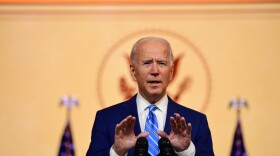 President-elect Joe Biden called on Americans to unite this holiday season amid the pandemic. Minutes earlier, President Trump repeated baseless claims about the election being "rigged."
 -
 No one in the immediate ranking of officials who might need to succeed the president has tested positive.
 -
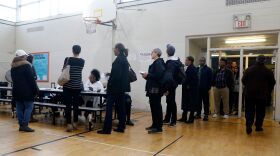 Elections are run by state and local governments, and it's unclear what legal means the president would have to withhold funds from the states.
 -
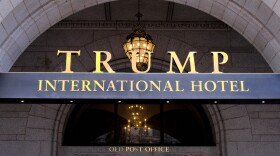 The District of Columbia and Maryland say Trump is violating the emoluments clauses of the Constitution that prohibit the president from receiving gifts or favors from foreign and state governments.
 -
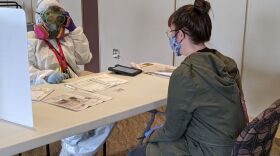 Approximately 400,000 people voted in person in Wisconsin after courts and GOP lawmakers rebuffed proposals to postpone the election or conduct it by mail.


